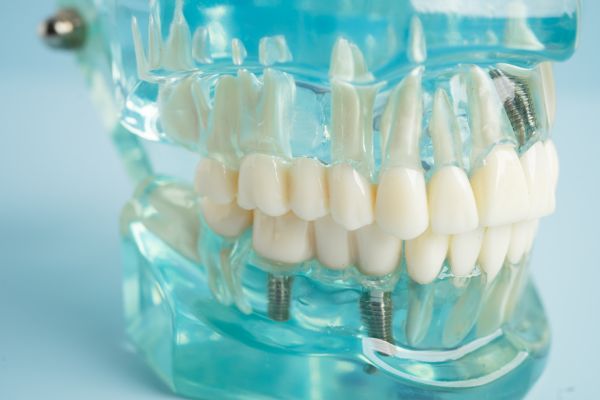
A high-quality dental implant restoration provides a stable and beautiful way to complete a smile, yet even the most durable materials eventually show signs of daily wear. While the metal post often remains a permanent part of the jaw, the restoration can age, chip, or loosen over several years. Recognizing the warning signs below helps protect the health of the gums and keeps the entire restoration feeling comfortable and secure.
Signs that indicate a faulty dental implant restoration
A wobbly or loose feeling
A dental implant restoration must stay perfectly still during every conversation and every meal. If a restoration feels "wobbly" or moves even a tiny amount when touched by the tongue, it usually indicates that the tiny screw inside is loose or the cement is beginning to fail. This micro-motion is more than just a distraction. It can irritate the gums and allow bacteria to enter the space between the tooth and the post. Prompt attention to a loose crown often yields a simple fix that restores full stability.
Visible chips, cracks, or rough edges
Daily chewing exerts tremendous force, and over time, even the strongest dental materials can develop small chips or fine cracks. Therefore, a rough edge that catches the floss or feels sharp against the cheek is a clear sign that the surface of the tooth is no longer intact. Replacing a damaged dental implant restoration prevents food from getting trapped in the cracks and stops a small chip from turning into a major break. A smooth, whole surface is essential for both the function and the appearance of the smile.
Persistent gum irritation or unusual odors
Healthy gums around a replacement tooth should appear pink, firm, and entirely comfortable during regular brushing and flossing. Redness, swelling, or bleeding in that area often suggests the restoration no longer fits the gumline properly. If the shape of the crown, bridge, or denture creates a "food trap," bacteria can accumulate, leading to inflammation that threatens the health of the underlying bone. Further, a persistent bad taste or odor that persists after brushing is another strong signal that the area requires a professional evaluation. Adjusting or redesigning the dental implant restoration can improve how easily the patient can clean the area and keep the gums in top shape.
Changes in the bite and chewing comfort
A dental implant restoration that once felt perfectly comfortable can become a source of pressure if the neighboring teeth shift or the bite changes. Symptoms of a bite issue include a dull ache in the jaw, tension in the facial muscles, or a sensation that the implant tooth is "hitting first" when the mouth closes. A restoration works best when it shares the workload evenly with the rest of the teeth. If the dentist cannot balance the bite with a minor adjustment, the patient may need a new restoration to restore proper alignment.
Schedule an appointment
A dental implant restoration is meant to be a durable, functional asset, but it does require occasional updates to stay in peak condition. Watching for the above signs ensures that the underlying post stays protected and the smile remains beautiful. If you are experiencing the signs above, contact Georgetown Dental Partners to schedule an appointment and get things back on track.
Request an appointment here: https://www.georgetown-dental.com or call Georgetown Dental Partners at (978) 867-0860 for an appointment in our Georgetown office.
Check out what others are saying about our dental services on Google: Dental Implant Restoration in Georgetown, MA.
Recent Posts
Dental restoration is key to the success and appearance of dental implants. After a dental implant is placed, you must select the appropriate restoration to complete the process and restore both the function and appearance of your smile. Various options are available, each with its benefits depending on your needs and the condition of your…
Wondering if a dental restoration is in your near future? According to Cleveland Clinic, restorations are the various ways a dentist can replace or restore missing teeth or missing parts of the tooth structure. Ready to learn more about dental restorations?Understanding more about the dental restoration process, as well as the types of restoration options available,…
Restorative dental care focuses on repairing damaged teeth and rebuilding a bite that feels comfortable, stable, and natural. When chewing becomes difficult or a tooth looks compromised, delaying treatment can allow small problems to grow. A restorative dentist can evaluate the cause, explain options clearly, and recommend care that protects long-term oral health.Chips, cracks, and…
A smile makeover is a comprehensive approach to enhancing the appearance of the teeth through customized cosmetic treatments. After completing a smile makeover, patients often enjoy renewed confidence, improved oral function, and a more attractive smile. To maintain these results and protect the investment, it is essential to follow proper care routines and dental guidance.Good…